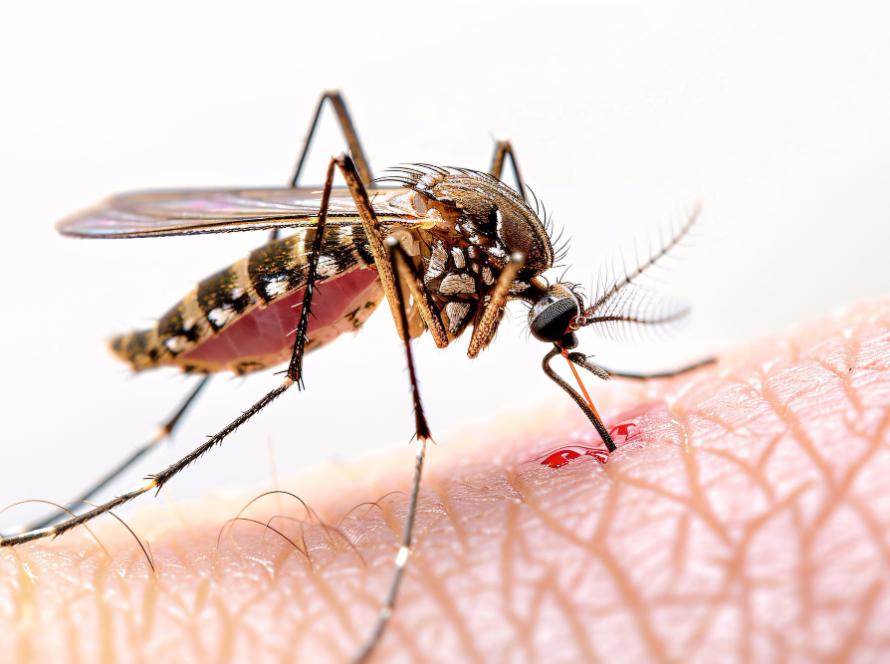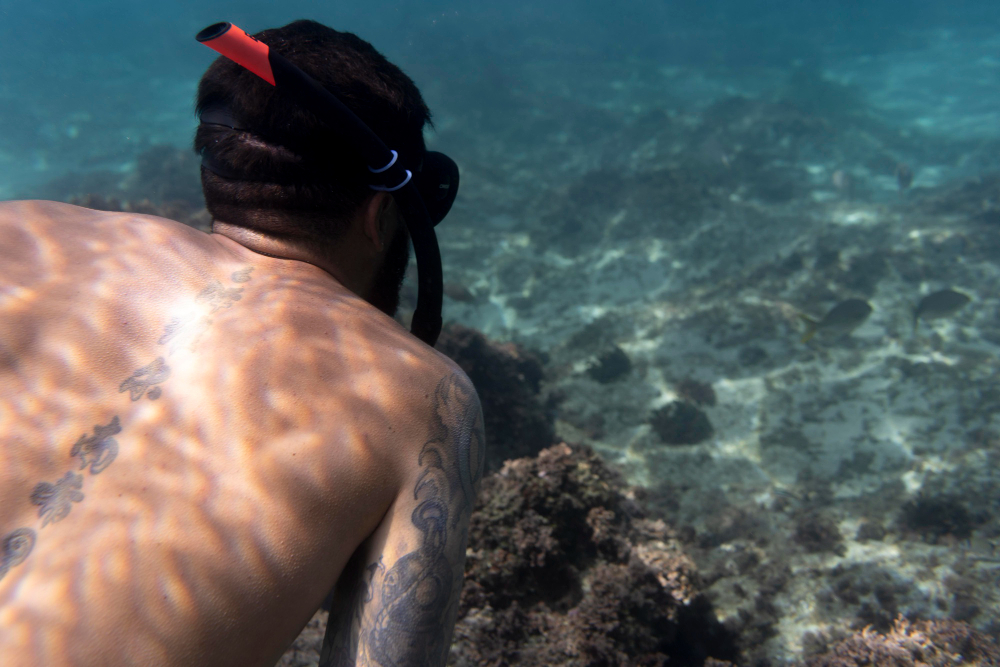
Spending your days in and around Canggu offers an undeniably incredible lifestyle. The combination of world-class waves at Batu Bolong Beach, endless aesthetic cafes in Canggu, and the laid-back rhythm of the digital nomad community makes this area Bali’s ultimate magnet. But behind the daily routine of sipping morning cortados and chasing sunset sessions, there is a gritty reality that rarely makes it into the glossy travel brochures: the high risk of minor injuries that can quickly spiral into severe infections.
The two most notorious culprits claiming “victims” in this neighborhood are the infamous Canggu Kiss and coral reef cuts. If you are a local or a long-term expat, these terms are already permanently etched into your vocabulary. However, for those experiencing them for the first time, improper care in this humid, tropical climate can turn a tiny scrape into a full-blown nightmare that derails your productivity and ruins your trip.
What is the “Canggu Kiss” and Why is it So Common?
The term Canggu Kiss is a sarcastic local euphemism for the abrasive injuries sustained from scooter mishaps—most commonly, a severe burn from a scorching exhaust pipe or road rash from a minor spill. Mobility in Canggu relies almost entirely on two wheels. Combine the narrow, winding shortcuts, heavy traffic, and the local habit of riding in boardshorts or bikinis, and you have a recipe for highly vulnerable exposed skin.
Exhaust pipe burns typically brand the calf muscle. When bare skin presses against metal that has been heating up in the tropical sun and engine combustion, it only takes a fraction of a second to severely damage the tissue, burning right through the epidermis down to the dermis. Meanwhile, road rash from skidding on the asphalt often forcibly embeds dirt, dust, and fine gravel deep beneath the torn layers of your skin.
The Surfer’s Tattoo: The Hidden Dangers of Coral Cuts
The ocean presents an entirely different set of hazards. Bali’s best surf breaks are notoriously shallow reef breaks. When you get caught inside a heavy set or misjudge your dismount from the board, it is incredibly easy to get dragged across the razor-sharp coral seabed.
Many people make the critical mistake of treating a reef cut like a standard kitchen scrape or a scratch from a thorny bush. The reality is that coral is a living, breathing marine organism. Its surface is teeming with millions of marine bacteria, algae, and microorganisms. When coral slices open your skin, it leaves behind microscopic fragments of calcium carbonate and a cocktail of bacteria deep inside the wound. If you leave the cut exposed or just give it a quick rinse, these bacteria will multiply at a terrifying speed, often triggering severe Staphylococcus or Streptococcus infections that can cause the area to swell, leak pus, and induce high fevers.
The First-Aid Playbook: What You Must (and Must Never) Do
Whether you or a friend just sustained a Canggu Kiss or a reef scrape, how you handle the first 10 minutes will largely dictate how quickly the injury heals. Here is the non-negotiable first-aid protocol you need to apply:
1. Stop the Bleeding and Wash
Apply firm pressure to the bleeding area with a clean cloth or sterile gauze. Once the bleeding stops, flush the wound thoroughly. Use bottled mineral water or best option with saline solution (NaCl) to rigorously flush out the sand, dirt, or asphalt debris.
2. Ditch the Lime and Alcohol Myths
There is a persistent, terrible myth among surfers that you should scrub a fresh coral cut with a slice of lime. Do not do this. The extreme acidity will violently damage your healthy tissue and cause agonizing, unnecessary pain. You should also avoid pouring 70% rubbing alcohol or hydrogen peroxide directly into an open wound. While harsh chemicals do kill bacteria, they also destroy your body’s natural healing cells, significantly delaying your recovery. Stick to a gentle, medical-grade antibacterial soap and clean water.
3. Shield the Wound from the Humidity
Bali’s hot, hyper-humid air is the ultimate breeding ground for bacteria. The old advice of “leaving the wound open to let it dry out” is exactly how you invite street dust and airborne bacteria into your bloodstream. After thoroughly cleaning the area, apply a thin layer of topical antibiotic ointment and closed with sterile gauze, especially if you plan to leave your villa.
4. Never Pop an Exhaust Burn Blister
If your Canggu Kiss is a thermal burn from an exhaust pipe, a fluid-filled blister will likely form over the burn site. Leave it completely alone.
When to Stop the DIY Care and Seek Professional Help
Your best defense against a tropical infection is knowing exactly when to throw in the towel on home remedies. You must seek immediate professional medical attention if you notice any of the following warning signs within 24 to 48 hours of your injury:
- The area around the wound becomes aggressively red, hot to the touch, and the swelling continues to spread outward.
- The pain does not subside, but instead turns into a severe, constant throbbing.
- Thick, cloudy yellow or green fluid (pus) begins weeping from the wound bed.
- You start experiencing chills, a fever, or notice swollen lymph nodes in your groin or armpits.
- For road rash and reef cuts: You can still see dark debris, sand, or grit permanently lodged in the tissue that won’t wash out.
Fast Relief and Complete Recovery with Asta Medical
Treating an infected, debris-filled wound in a tropical climate is not something you can solve by simply buying a box of plasters at the local mini-mart. An improperly cleaned wound will continue to fester, restricting your mobility and ruining your week. To ensure your injury is handled with the clinical standards, Asta Medical provides comprehensive, targeted medical interventions to get you safely back on your feet.
- Professional Wound Care: Our medical team is highly experienced in treating the specific characteristics of Bali road rash and toxic reef cuts. We perform clinical debridement (wound cleaning) using fully sterile instruments and local anesthesia when necessary, to makesuring coral fragments, street gravel, or microscopic pathogens are left trapped under your skin.
- Tetanus Immunoglobulin Shot: Injuries sustained from grinding against street asphalt or dirty ocean reefs carry a critically high risk of tetanus-causing bacteria. Our doctors will immediately evaluate your vaccination history and administer a Tetanus immunoglobulin shot on the spot as an absolute preventative safeguard.
- Targeted Antibiotic Prescriptions: Generic over-the-counter antibiotics often fail against aggressive marine and tropical street bacteria. Based on a clinical evaluation of your wound, the doctors at Asta Medical will prescribe antibiotic and pain management medication required to eradicate the infection fast.
- Mobile Home Care Services: Is your leg too swollen to hop on a scooter? Does a fever have you stuck in bed? You don’t need to force yourself to navigate Canggu traffic. Reach out to us, and the Asta Medical’s doctor and nurse team will dispatch directly to your villa, providing private, sterile wound care without you ever having to leave your room.
Do not let a Canggu Kiss or a reef scrape dictate the rest of your time in Bali. Swift, sterile, and professional medical intervention is the absolute key to healing in the tropics. If you have taken a spill and are unsure about the state of your wound, schedule a visit or contact us via astamedicalcenter.com. Our dedicated medical team is on standby to ensure you heal safely and can get straight back to enjoying the island.