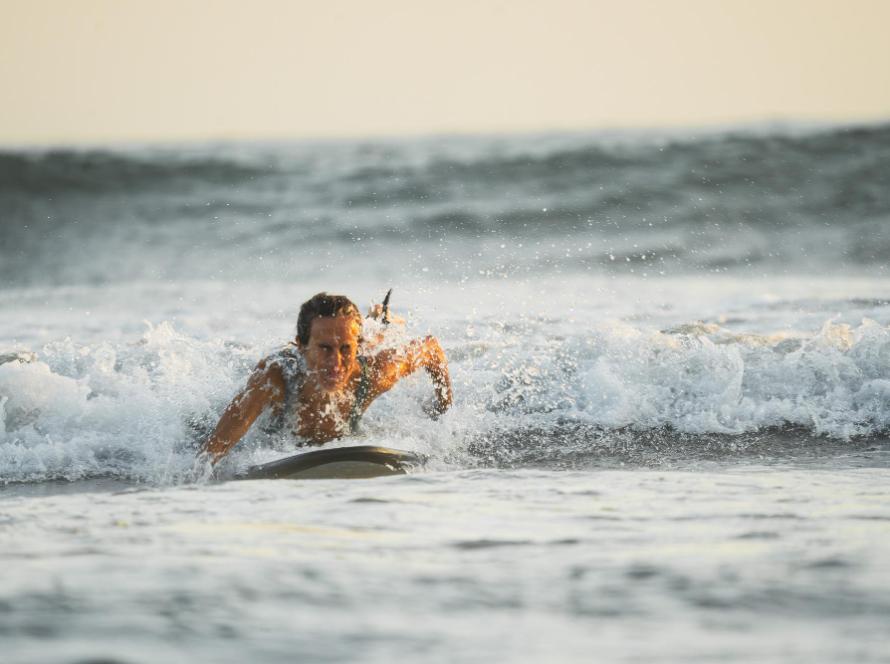
Your Bali itinerary is likely packed with unforgettable experiences: watching the sunset at Uluwatu Temple, wandering through the lush pathways of the Sacred Monkey Forest in Ubud, or taking a morning stroll along the black sands of Canggu while friendly beach dogs run alongside you. Interacting with the local wildlife is a massive draw for visitors, offering perfect, highly shareable moments for social media.
However, beneath the charm of these animal encounters lies a very serious, often overlooked medical reality. Bali is an endemic region for rabies. Every year, countless tourists have their dream vacations derailed by a split-second decision to feed a macaque or pet a stray dog. What seems like a minor nip or a tiny scratch can instantly escalate into a life-or-death medical emergency.
Tourists often vastly underestimate the risks associated with Bali’s animals, operating under the dangerous assumption that if an animal looks healthy or acts playfully, it cannot be a carrier of disease. To stay safe on the island, you need to completely reshape how you view interactions with wildlife, understand the absolute severity of rabies, and know exactly what to do in the critical minutes following a bite.
The Deceptive Charm: Understanding Macaques and Bali Dogs
The long-tailed macaques that populate Bali’s temples and tourist forests are wild, highly opportunistic animals. They are completely habituated to humans, which tourists often mistake for domestication. In reality, these monkeys view humans primarily as a source of food. If you are holding a water bottle, a piece of fruit, or even wearing shiny sunglasses, a monkey may decide to take it. If you resist, pull away, or make sudden movements, their natural instinct is to bite or scratch defensively.
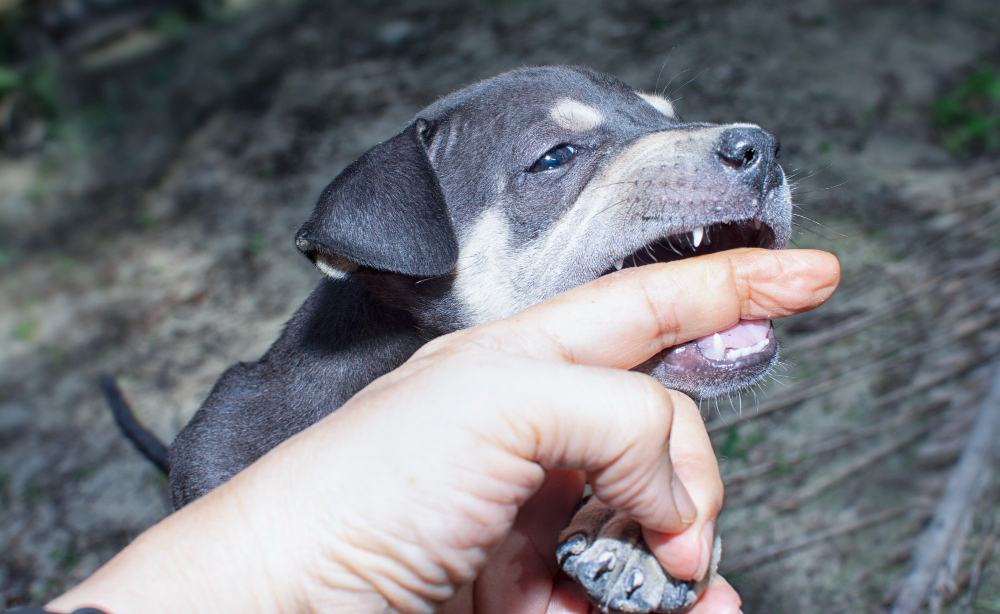
Similarly, the island is home to thousands of Bali dogs (a unique heritage breed) and mixed-breed strays. While many are vaccinated and cared for by local communities or animal welfare groups, a vast number are not. Bali dogs are fiercely territorial. A dog resting outside a cafe might seem docile, but if you step too close to its perceived territory, wake it up suddenly, or try to pet it while it is eating, it can snap without warning.
The Fatal Reality of the Rabies Virus
The biggest mistake travelers make is looking at a small puncture wound or a shallow scratch and deciding to “wait and see” because the animal didn’t look sick.
Rabies is a viral disease that attacks the central nervous system. It is transmitted primarily through the saliva of an infected animal. This means a bite is the most common route of infection, but a scratch can be equally deadly because animals frequently lick their paws and claws. Even if an infected animal licks an existing open wound or graze on your leg, the virus can enter your bloodstream.
Here is the most critical medical fact you must understand: Once the clinical symptoms of rabies appear, the disease is virtually fatal. There is no cure for an active rabies infection.
However, rabies is also preventable if post-exposure medical protocols are followed immediately before the virus has a chance to travel through your nervous system to your brain. You cannot afford to guess if the animal was infected. In Bali, every single bite, scratch, or saliva exposure from a warm-blooded mammal must be treated as a potential rabies exposure.
The 15-Minute Lifesaver: Your Absolute First-Aid Protocol
If you are bitten or scratched by a monkey, dog, or cat, the clock starts ticking immediately. What you do in the very first moments is just as critical as the medical treatment you will receive at the clinic. Do not panic, but do not delay. You must execute the following protocol immediately:
1. The 15-Minute Scrub Find a tap with running water and soap immediately. Do not just rinse the wound. You must vigorously wash the wound with soap and continuous running water for an absolute minimum of 15 full minutes. Set a timer on your phone.
Why 15 minutes? The rabies virus is encased in a lipid (fatty) envelope. Ordinary soap effectively breaks down this fat layer, physically destroying the virus before it can bind to your nerve endings. This simple, aggressive washing drastically reduces your viral load and is recognized by the World Health Organization (WHO) as the most crucial first-aid step in preventing rabies.
2. Apply a Strong Antiseptic After the 15-minute wash, pat the area dry with a clean tissue and flood the wound with a strong antiseptic. Povidone-iodine (Betadine) are highly effective at killing any remaining viral particles on the surface tissue.
3. Do Not Cover the Wound Tightly Unlike a standard cut where you might apply a tight bandage to stop bleeding, animal bites should be left relatively open or covered very lightly with sterile gauze while you transit to a clinic. Trapping the wound can create an ideal breeding ground for other aggressive bacteria found in animal saliva.
The Medical Imperative: Zero Room for Delay
Once you have completed the 15-minute wash, you must immediately seek professional medical care. Do not finish your temple tour. Do not go back to your villa to take a nap. Head straight to a qualified medical facility.
Treating an animal bite in an endemic zone requires specialized vaccines and biological products that are not always available at small, rural pharmacies. At Asta Medical, our clinical team is fully equipped and heavily experienced in handling high-risk tropical animal bites. We provide the immediate, comprehensive Rabies Post-Exposure Prophylaxis (PEP).
- Clinical Wound Debridement: Even after you wash the wound, animal teeth leave deep puncture tracts filled with crushing damage and varied bacteria. Our medical professionals will expertly flush and debride the wound under sterile conditions, ensuring no hidden pathogens or necrotic tissue remain, and prescribe potent antibiotics to prevent secondary bacterial infections.
- Anti-Rabies Vaccine (VAR): We maintain a strictly temperature-controlled supply of the Anti-Rabies Vaccine (VAR / Vaksin Anti-Rabies). This vaccine commands your immune system to produce antibodies to hunt down and destroy the virus. Our doctors will administer your critical first dose on the spot and provide you with the exact, mandated schedule for your subsequent booster shots, which you can complete with us or in your home country.
- Anti-Rabies Serum (SAR / RIG): For high-risk exposures—defined as any bite that draws blood, multiple bites, or bites close to the head and neck—the vaccine alone is not fast enough. In these Category 3 cases, our clinic provides Anti-Rabies Serum (SAR), also known as Rabies Immunoglobulin (RIG). This is a highly specialized biological product injected directly into and around the wound site. It provides immediate, passive antibodies that neutralize the virus instantly at the site of the bite while your body waits for the vaccine to take effect.
A bite from a monkey or a stray dog is a terrifying experience, but swift, decisive action takes the danger out of the equation. Admire Bali’s wildlife from a safe distance, never attempt to feed or touch the animals, and always respect their territory. If the worst happens, immediately visit for astamedicalcenter.com or contact our emergency triage. Our clinical team is ready to provide the vaccines, serums, and wound care necessary to ensure you leave Bali with nothing but great memories.